Reforestation and Sustainable Farming in Zambia
Deaconess Mable Sichali from the United Church of Zambia is helping local communities restore their land and improve their livelihoods
In the Chipembi area of Zambia, serious environmental problems have affected local communities for many years. Deforestation, frequent droughts, soil erosion and high soil acidity have led to poor harvests and increased poverty. This is particularly difficult for families who depend on farming for their livelihoods. To respond to these challenges, Deaconess Mable Sichali established the Kuntendekelo Training Foundation (KTF). Deaconess Mable Sichali belongs to the Deaconesses of the United Church of Zambia, a member organisation of DIAKONIA. She also serves on the Board of DIAKONIA REGION AFRICA-EUROPE and she is also Secretary for Community Development and Social Justice at the Synod of the United Church of Zambia (UCZ).
Inspired by the first chapter of the Bible, “Kuntendekelo” means “In the Beginning”. The name reflects the Christian responsibility to care for and restore God’s creation. Through the foundation, local farmers learn sustainable farming methods that help them protect their land and improve their livelihoods.
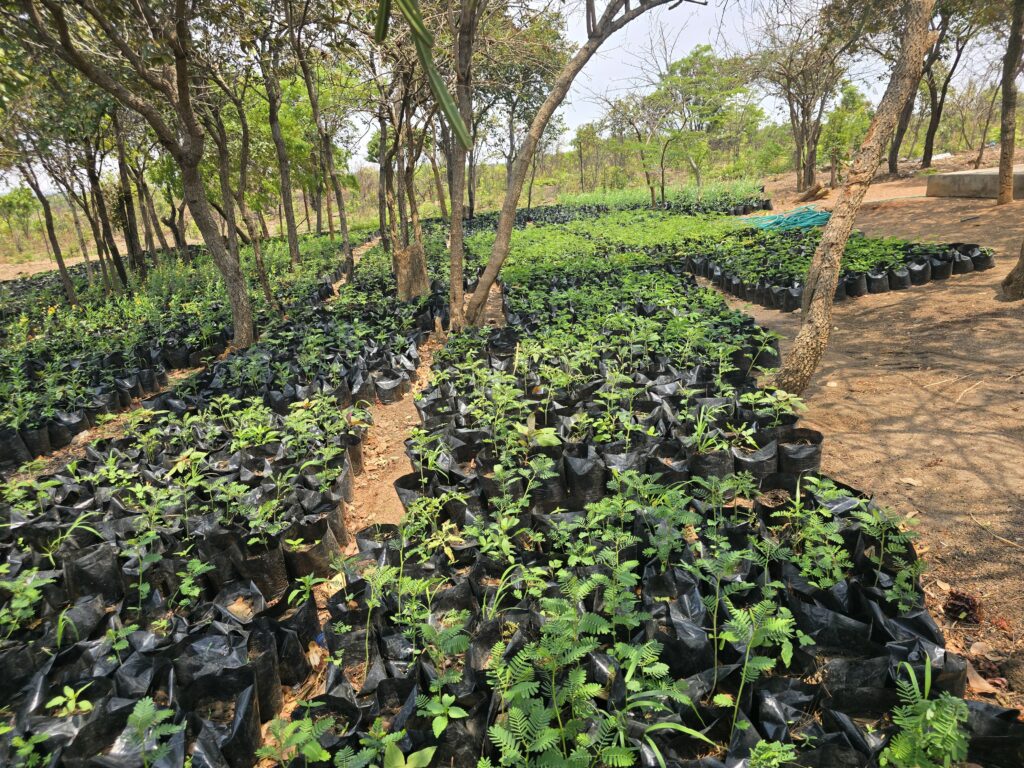
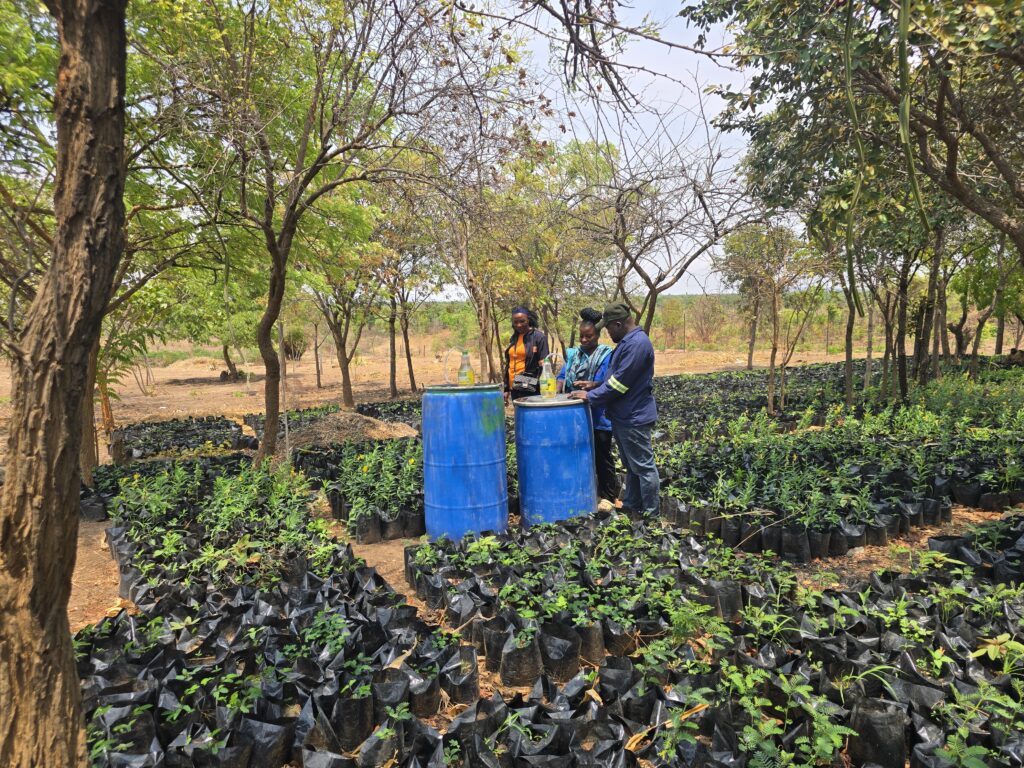
At the heart of KTF’s long-term plans is a central tree nursery. Its purpose is to help communities respond to the effects of climate change through sustainable farming and the reforestation of land that has lost its trees. The project uses methods such as permaculture and syntropic farming, which combine different plants to improve soil quality and create stronger natural ecosystems. What started with 3000 seedlings in early 2026 grew significantly during the third quarter of the year. Another 9000 seedlings were raised, bringing the total to 12000 healthy seedlings, thanks to the support of “Wald schafft Zukunft”.
The nursery grows carefully selected tree species that offer both environmental and economic benefits.
- Musangu (Faidherbia albida) is a native tree that drops its nitrogen-rich leaves during the rainy season. These leaves naturally fertilise the soil without blocking sunlight from crops.
- Gliricidia (Gliricidia sepium) is a fast-growing tree that adds nitrogen to the soil. It can also be used as green manure, animal feed and living fences.
- Moringa (Moringa oleifera) is a highly nutritious plant that supports family nutrition and can also be used as a natural supplement for animal feed.
- Sesbania (Sesbania sesban) is a protein-rich plant used for animal feed. It improves soil structure and adds nitrogen to the soil.
- Neem (Azadirachta indica) is a strong and resilient tree that provides natural ways to control pests.
- Avocado (Persea americana) is a valuable fruit tree that can help improve food security and provide families with additional income.
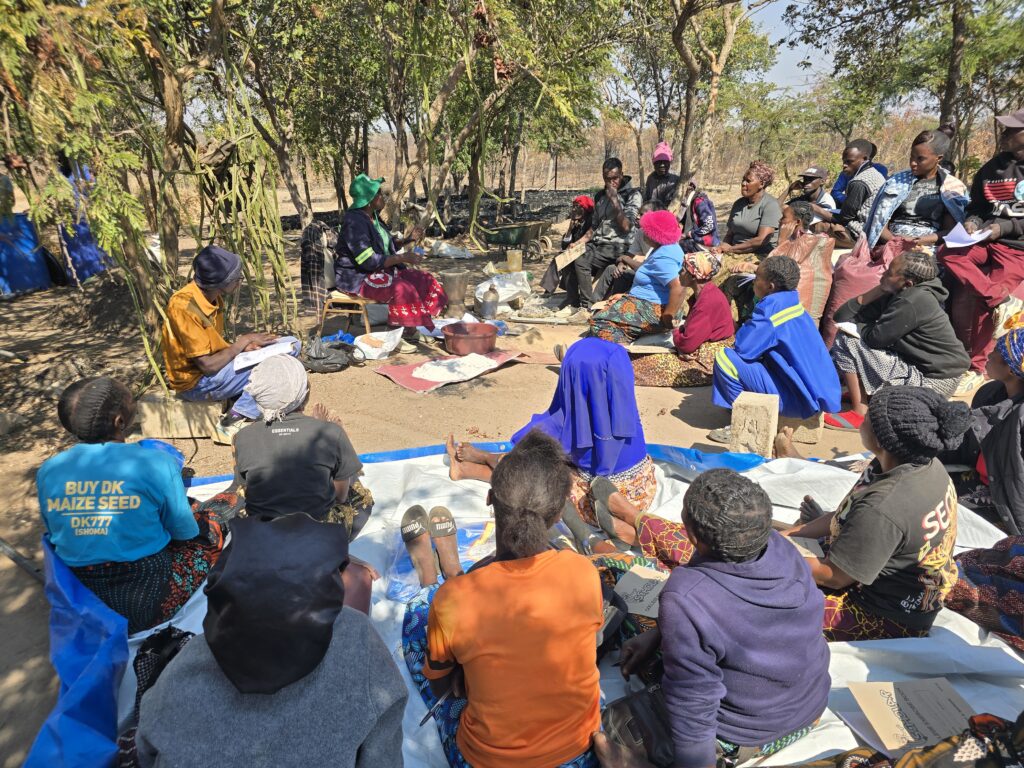
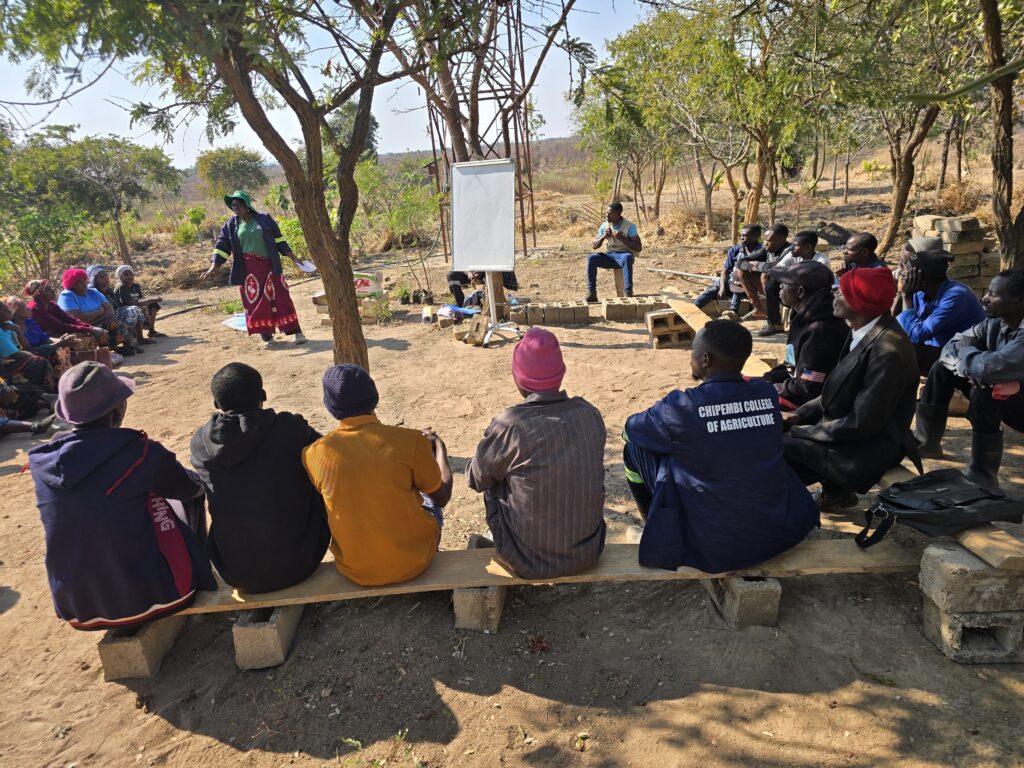
Alongside reforestation, KTF places great importance on practical training. More than 40 members of the local community have already received training in sustainable farming methods. Farmers learn how to improve their soil and care for their animals using natural materials. This includes making organic fertilisers such as Bokashi, liquid bio-fertiliser and biochar, which can help restore soil quality. Training also covers the preparation of mineral salt licks and the use of activated charcoal for livestock care.
The seedlings are planned to be distributed in December 2026, at the beginning of the rainy season. This is especially important for small-scale farmers who do not have irrigation systems. Rainwater will help the young trees develop deep roots and grow successfully. Most of the 12,000 trees will be planted on the land of participating families. KTF will keep some of the seedlings for its main demonstration site, where they will be used to create permanent windbreaks, small woodlands and seed banks.
The first 12,000 seedlings are only the beginning. During the first phase of the project, KTF aims to plant 75000 trees. In the coming years, KTF also plans to build a network of local farmers who can share their knowledge with others. Step by step, the project is helping to build a more resilient and sustainable future for local families, while also creating new opportunities for generations to come.